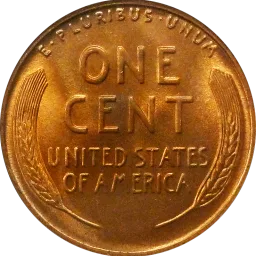
1914 values by mint mark
A coin with no mint mark was struck in Philadelphia.
| Coin | Mint | Mintage | Value, worn | Rarity |
|---|---|---|---|---|
| 1914 | Philadelphia, no letter | 75,238,432 | $0.58 to $12 | Common |
| 1914-D | Denver | 1,193,000 | $69 to $631 | Key |
| 1914-S | San Francisco | 4,137,000 | $8 to $72 | Scarce |
Not sure which one you have? Scan it, and Coin Finder reads the mint mark for you.
Scan your coinThe 1914-S is scarce too and worth a close look. Both mint marks are on the front, not the back.
How to tell
Work through the coin in this order:
- Find the date. You need a 1914. Other years in the wheat series are covered in the Lincoln wheat penny guide.
- Look for the mint mark on the front. It is a small letter just below the date. Do not search the back, or you will miss a 1914-D. Use a magnifying glass and good light. A D means the Denver mint, an S means San Francisco, and no letter means Philadelphia.
- Check the back. The reverse should show two wheat ears.
- Judge the wear. Note how much of the lettering and the lines in Lincoln's hair you can still see. This sets where in the value range your coin falls.
The D is small, and a worn coin can hide it. If you cannot tell whether a letter is there, do not assume it is a 1914-D.
The 1914-D
The 1914-D is the coin to look for. Only 1,193,000 were made, far fewer than the plain 1914, and many people collect it. Even a heavily worn one is worth far more than face.
It is also often faked. A common trick is to alter the mint mark on another coin. If you think you have one, have it checked by a professional grading service or a trusted dealer before you pay for anything or sell it.
The 1914-S
The 1914-S is scarce but not a key date. A worn one is worth $8 to $72, and one in better condition is worth much more.
The plain 1914
A 1914 with no mint mark is common, but it is still worth more than face. That value comes from collectors, not from the copper in it.
Other dates to check
While you have the coin out, look at other wheat cents in your pile. The most valuable date in the series is the 1909-S with V.D.B. on the back; see the 1909 guide. The 1931-S is also hard to find (1931 guide). Two famous errors are a 1922 cent with no D mint mark (1922 guide) and a 1955 cent with a doubled date and lettering (1955 guide). For the steel and copper mix-up of 1943, see the 1943 guide. For the whole run, see all Lincoln cent values.
Condition
A coin that has spent years in pockets and cash drawers is worn, and wear lowers value. The more of the lettering and hair lines you can still see, the higher in its range your coin sits.
Leave any dirt where it is and keep the coin in a dry place, handled by its edges.
Metal value
- $0.04 for bronze (95% copper, 2.5% tin, 2.5% zinc, 3.11 g). The 2.5% tin is left out: it adds a small fraction of a cent.
Questions
Is a 1914 penny worth anything?
Yes. Every 1914 cent is worth more than face, and a plain one is worth $0.58 to $12. A 1914 with a D or an S mint mark is worth more, and the D is the one that matters most.
Is a worn 1914-D still worth selling?
Yes. Even a heavily worn 1914-D is worth far more than face. Because the coin is often faked, get it checked before you sell.
How do I know my 1914-D is real?
You cannot be sure from a photo or a quick look. A professional grading service or an experienced dealer can tell you whether the mint mark is original.
What is a mint mark?
It is a small letter showing which mint made the coin. On a 1914 cent it sits on the front, just below the date. D is Denver, S is San Francisco, and a coin with no letter came from Philadelphia.
More Lincoln cents to check
Check the rest of your change
Over 1,100 US and UK coins by year and mint mark, each value with its source and the date it was checked.
